Fuel is one of the largest operating expenses for commercial fishing vessels. Even modest improvements in fuel use can yield meaningful savings over time.
Following practical fuel efficiency tips for commercial fishing vessels, such as proper maintenance, speed optimization, route planning, and fuel monitoring, can reduce consumption without compromising productivity or safety. This article covers cost-effective strategies that help fishing businesses maximize every gallon and operate more efficiently.
Why Fuel Efficiency Matters in Commercial Fishing
Fuel efficiency plays an important role in controlling operating costs, improving productivity, and supporting more sustainable commercial fishing operations. Reducing unnecessary fuel consumption helps operators manage one of their largest recurring expenses and protect margins as fuel prices and other costs fluctuate.
Efficient vessel operation also helps crews get more productive use from every gallon during transit and fishing activities. Over time, lower fuel consumption can reduce emissions and lessen the environmental impact of vessel operations without sacrificing productivity or safety.
Key Ways to Improve Fuel Efficiency on Commercial Fishing Vessels in MA
Improving fuel efficiency often comes down to consistent maintenance and smarter day-to-day operating practices. The following strategies can help commercial fishing vessels reduce unnecessary fuel consumption while maintaining reliable performance, productivity, and safety.
1. Keep Engines and Vessel Systems Properly Maintained
Routine maintenance helps commercial fishing vessels operate efficiently and avoid performance problems that increase fuel consumption. Follow manufacturer-recommended service schedules for oil changes, filter replacements, cooling system inspections, and other essential maintenance. Fuel and air filters should also be inspected regularly, since restrictions can interfere with engine performance and efficiency.
Propellers and running gear require attention as well, as damage, fouling, or improper sizing can reduce propulsion efficiency. Keeping the hull clean is equally important. Marine growth increases drag, pushing the engine to work harder and consume more fuel to maintain speed.
2. Optimize Vessel Speed and Engine Operation
Engine operation has a direct impact on day-to-day operating expenses, especially for vessels that spend long hours underway. Improving cruising speed, throttle control, and overall engine management can reduce unnecessary fuel use, helping commercial fishing businesses lower operating costs and improve profitability while maintaining reliable performance.
- Operate at the vessel’s most efficient cruising speed when conditions and schedules allow, since higher speeds can significantly increase fuel consumption.
- Use smooth acceleration and consistent throttle settings to limit unnecessary increases in engine load.
- Reduce excessive idling during loading, unloading, waiting periods, and other downtime to avoid wasting fuel.
- Adjust speed and engine load based on weather, currents, vessel weight, and sea conditions to maintain efficiency and safe handling.
3. Plan Fishing Routes More Efficiently
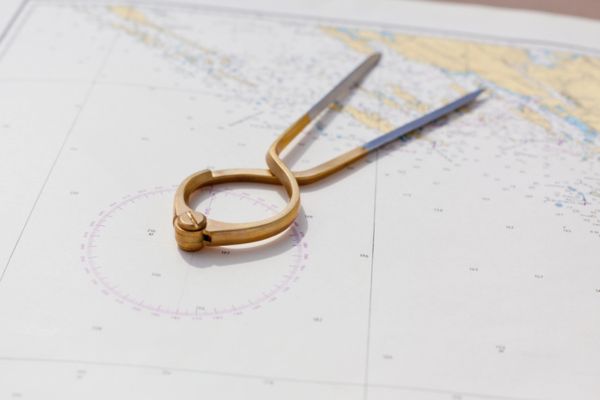
Careful route planning can reduce unnecessary travel and help crews make better use of available fuel. Before departure, review weather, waves, tides, and currents to identify conditions that could increase engine demand. Consider distance, restricted areas, and fishing locations when selecting a route, since the shortest path may not always be the most efficient.
Coordinating trip objectives can also limit backtracking and excess mileage. GPS, chartplotters, weather data, and other marine navigation tools can support efficient routing and help crews adjust their plans as conditions change.
4. Monitor Fuel Consumption and Vessel Performance
Tracking fuel use helps fishing businesses identify inefficiencies and make informed operating decisions.
- Record fuel consumption, operating hours, distance traveled, catch volume, and trip conditions after each voyage.
- Compare similar trips to identify unusual increases in fuel use that may signal maintenance or operating issues.
- Establish benchmarks such as fuel consumed per operating hour or mile traveled to measure performance over time.
- Use fuel-flow meters and vessel monitoring systems to track real-time consumption and assess how speed, engine load, and operating practices affect efficiency.
5. Reduce Unnecessary Vessel Weight and Resistance
Excess weight and poor weight distribution can increase resistance and force the engine to use more fuel. Remove unnecessary equipment and supplies while keeping everything required for safe, productive operations.
Fuel, freshwater, and other variable loads should match trip needs while maintaining adequate reserves for delays or changing conditions. Proper loading and vessel trim can further reduce resistance, improve handling, and support more efficient fuel use.
6. Improve Crew Fuel-Efficiency Practices
Crew operating habits can directly affect how much fuel a vessel consumes during each trip. Consistent throttle management, reduced idling, efficient routing, and proper vessel loading can help prevent unnecessary fuel use.
Fuel efficiency should also factor into trip planning alongside weather, fishing locations, equipment checks, and safety requirements. After each voyage, reviewing fuel consumption against distance, operating time, conditions, and catch results can reveal opportunities for further improvement.
7. Balance Fuel Savings With Productivity and Safety
Fuel efficiency should support profitable fishing operations without compromising safe navigation, adequate reserves, vessel stability, or necessary equipment. Cost-effective measures such as routine maintenance, efficient routing, moderate speed adjustments, and reduced idling can lower consumption without requiring major vessel modifications.
- Consider fuel use alongside catch volume, trip duration, labor, market conditions, and other operating costs when evaluating overall profitability.
- Prioritize fuel-saving practices that maintain safe vessel operation and productive fishing activities.
FAQs: Fuel Efficiency for Commercial Fishing Vessels

How Do Ocean Currents Affect Commercial Vessel Fuel Efficiency?
Currents can either increase or reduce the amount of engine power needed to maintain a desired speed and course. Factoring current direction and strength into voyage planning can help crews select more efficient routes when operating conditions and fishing objectives allow.
Can Fishing Gear Increase a Vessel’s Fuel Consumption?
Yes. Heavy fishing equipment, poorly stored gear, and equipment that creates additional resistance can increase engine workload. Efficient gear management and proper storage can help limit unnecessary weight and drag.
Does Fuel Quality Affect Vessel Efficiency?
Fuel quality can influence engine performance, reliability, and combustion. Contaminated or degraded fuel may contribute to filter restrictions and other operating problems, making proper fuel storage, handling, and filtration important.
How Can Captains Tell if Fuel Consumption Is Becoming Abnormally High?
Maintaining consistent trip records makes unusual changes easier to identify. If a vessel begins consuming more fuel under comparable loads, speeds, routes, and sea conditions, maintenance or operational factors may need further evaluation.
Is Upgrading to a Newer Marine Engine Always the Best Way to Save Fuel?
Not necessarily. A newer, properly sized engine may offer efficiency improvements, but maintenance, hull condition, propeller performance, operating speed, and routing can also have a substantial effect. Businesses should evaluate potential fuel savings against the cost and operational benefits of an engine upgrade.
Conclusion
Commercial fishing vessels can improve fuel efficiency through regular maintenance, efficient cruising speeds, careful route planning, fuel monitoring, proper loading, and smarter crew practices. Small improvements across each trip can add up to meaningful fuel savings while maintaining productivity and safe vessel operation.
A dependable marine fuel provider can also help keep demanding schedules on track with a consistent fuel supply. Contact Tasha Fuels & Propane today to learn more about reliable fuel delivery solutions for your commercial fishing operation.
Contact Tasha Fuels & Propane for Reliable Marine Fuel Delivery in Cape Cod and Southeastern Massachusetts
Tasha Fuels & Propane provides dependable marine fuel delivery for commercial and recreational vessels throughout Cape Cod and Southeastern Massachusetts. For commercial fishing operations focused on improving fuel efficiency and controlling operating costs, having a consistent supply of quality marine fuel helps keep vessels productive and schedules on track.
With competitive pricing, flexible payment options, and convenient delivery scheduling, Tasha Fuels & Propane makes marine fueling simple and reliable. Pairing efficient vessel practices with dependable fuel service can help fishing businesses make better use of every gallon. Contact Tasha Fuels & Propane today to learn more about our marine fuel delivery services.
You can click here to contact us now or call us at (508) 457-6595 to find out more! Click the link to view our service area.
Related Articles: