Reliable fuel access is essential for marinas and commercial fleets that depend on uninterrupted operations. Delayed deliveries, unexpected shortages, and inefficient fueling can cause costly downtime, scheduling disruptions, and customer dissatisfaction.
Bulk marine fuel delivery helps operators maintain a consistent fuel supply, streamline inventory management, and improve operational efficiency. This article covers the key benefits of marine fuel delivery, including scheduled replenishment, reduced operating costs, and smoother day-to-day operations.
Understanding Bulk Marine Fuel Delivery in Cape Cod and Southeastern Massachusetts
Bulk marine fuel delivery involves transporting larger quantities of fuel directly to marina storage tanks, approved fueling facilities, or designated fleet locations. This service supports various marine businesses, including commercial marinas, recreational boating facilities, fishing fleets, charter operators, tugboats, workboats, and marine transportation companies.
By reducing the need for frequent individual fuel purchases, bulk delivery helps operators maintain adequate fuel reserves, support scheduled departures, and meet customer demands. A consistent fuel supply also minimizes operational delays, boosts productivity, and reduces the costs associated with unexpected shortages.
Key Benefits of Bulk Marine Fuel Delivery for Marinas and Fleets

Bulk marine fuel delivery helps marinas and commercial fleets maintain reliable operations while simplifying fuel management and controlling expenses. The key benefits include:
- Reliable Fuel Supply and Reduced Downtime: Regular bulk deliveries help maintain adequate fuel reserves and prevent unexpected shortages. This keeps vessels ready for scheduled trips, commercial commitments, and daily operations without unnecessary interruptions.
- Convenient and Predictable Delivery Scheduling: Scheduled replenishment allows operators to coordinate fuel deliveries with consumption patterns and operating schedules. Planning ahead reduces last-minute orders and helps ensure sufficient fuel during busy periods.
- Greater Operational Efficiency: Direct fuel deliveries minimize off-site fueling trips and unnecessary transportation. With fewer fueling arrangements to manage, crews can focus on vessel maintenance, customer service, and other essential activities.
- Better Fuel Cost Management: Buying fuel in larger quantities can unlock volume discounts and lower delivery costs. Consolidating orders also simplifies purchasing and administrative tasks, making fuel budgets easier to manage.
- Simplified Inventory Tracking: Centralized fuel management makes it easier to monitor consumption and storage levels. Accurate records help operators anticipate demand, schedule timely replenishment, and avoid costly shortages or excess inventory.
- Flexibility During Peak Marine Seasons: Fuel demand often rises during summer boating seasons and busy commercial fishing periods. Flexible delivery schedules and order quantities allow operators to respond to these changes while maintaining a dependable supply.
How Bulk Fuel Delivery Improves Daily Marine Operations
Bulk fuel delivery simplifies daily marine operations by maintaining reliable on-site fuel availability and reducing vessel downtime. Faster fueling means fewer delays and smoother departures. For businesses managing multiple vessels, centralized purchasing streamlines replenishment, eliminating the need to coordinate separate orders and fueling schedules.
A consistent fuel supply also helps operators meet maintenance schedules, customer reservations, and commercial commitments without unnecessary disruptions. Administrative tasks also become easier to manage. By consolidating ordering, invoicing, delivery coordination, and expense tracking, marinas and commercial fleets can reduce paperwork, improve productivity, and maintain more efficient operations.
Best Practices for Managing Bulk Marine Fuel Deliveries
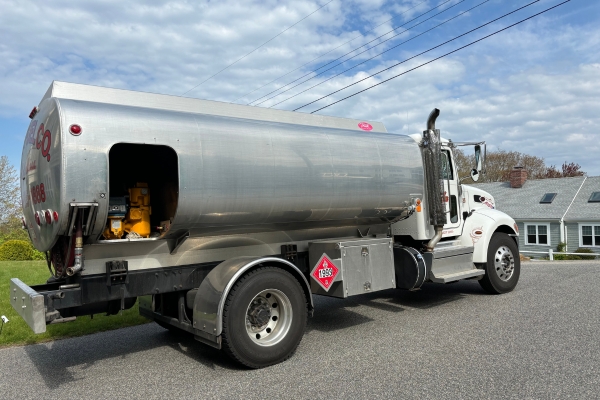
Effective fuel management helps marinas and commercial fleets maintain consistent supplies, prevent disruptions, and protect fuel quality. Following these practices can improve delivery planning and operational efficiency:
- Regular Fuel Consumption Monitoring: Track fuel usage and storage levels to anticipate replenishment needs. Reviewing historical consumption records also helps operators identify usage patterns and schedule deliveries more accurately.
- Seasonal Fuel Demand Planning: Fuel requirements often increase during busy boating seasons and periods of heightened commercial activity. Planning deliveries around expected vessel traffic and operating schedules helps prevent shortages when demand rises.
- Proper Fuel Storage and Maintenance: Regularly inspect storage tanks, check for water contamination, and maintain appropriate filtration to preserve fuel quality. Proper storage practices also help operators meet applicable safety and environmental requirements.
- Fuel Supply Contingency Planning: Maintain adequate reserves to prepare for unexpected demand or delivery disruptions. Replenish before severe weather or peak operating periods to minimize the risk of fuel shortages and costly downtime.
Choosing a Reliable Bulk Marine Fuel Delivery Provider
Choosing the right bulk marine fuel supplier helps ensure consistent fuel availability and smooth operations. Reliability comes first. Look for a provider offering dependable delivery schedules, accurate orders, and the flexibility to adapt as fuel demands change. Fuel quality is equally important, as marine engines require products that meet specific standards and performance requirements.
Proper handling also helps prevent contamination. Transparent pricing, including clear delivery fees, minimum quantities, and payment terms, allows operators to budget confidently and avoid unexpected costs.
Safety should never be overlooked. A reputable supplier follows applicable fueling regulations, uses appropriate equipment, and maintains effective spill prevention procedures. Responsive customer support and accurate delivery records further simplify fuel management, making daily operations more efficient and predictable.
FAQs: Marine Fuel Delivery

What Types of Marine Fuel Are Available for Bulk Delivery?
Bulk marine fuel suppliers may provide marine diesel, gasoline, and other approved fuel products. Availability depends on the supplier, location, and delivery capabilities. Operators should confirm that the fuel meets their vessels’ engine specifications and applicable quality standards before ordering.
Is There a Minimum Order for Bulk Marine Fuel?
Most bulk fuel suppliers establish minimum order quantities based on delivery distance, transportation costs, and equipment capacity. Larger orders may qualify for more favorable pricing, depending on supplier terms. Operators should confirm minimum requirements and any applicable delivery fees before scheduling service.
Can Marine Fuel Be Delivered Directly to Vessels?
Some suppliers provide direct-to-vessel fueling at approved docks and commercial marine facilities. Others deliver exclusively to stationary storage tanks or designated fueling locations. Availability depends on site accessibility, delivery equipment, and local safety regulations.
How Long Does a Bulk Marine Fuel Delivery Take?
Delivery times vary based on the quantity ordered, pumping capacity, site accessibility, and required safety procedures. Larger deliveries generally take longer, while restricted access or additional handling requirements may extend the process. Suppliers can provide estimated delivery times when scheduling.
What Information Is Needed When Scheduling a Bulk Fuel Delivery?
Suppliers typically need the fuel type, requested quantity, delivery address, storage capacity, and preferred delivery date. They may also request information about tank connections, site accessibility, and receiving personnel to ensure a safe and efficient delivery.
Conclusion
Bulk marine fuel delivery helps marinas and commercial fleets maintain consistent fuel supplies, minimize downtime, and streamline daily operations. Scheduled deliveries, centralized inventory management, and efficient purchasing can improve productivity while keeping operating costs under control. A dependable fuel supply keeps vessels ready and schedules on track.
For reliable bulk marine fuel delivery throughout Cape Cod and Southeastern Massachusetts, contact Tasha Fuels & Propane today. Our team provides dependable fueling solutions to help your marine operations run smoothly and efficiently.
Contact Tasha Fuels & Propane for Reliable Marine Fuel Delivery in Cape Cod and Southeastern Massachusetts
Tasha Fuels & Propane provides dependable marine fuel delivery services for marinas, commercial fleets, and recreational vessels throughout Cape Cod and Southeastern Massachusetts. We supply high-quality marine fuels with timely deliveries and responsive customer support, helping operators maintain consistent fuel availability and minimize disruptions. Our focus on reliability, competitive pricing, and customer satisfaction makes us a trusted partner for marine fueling needs.
We offer flexible delivery scheduling, convenient payment options, and fuel supply solutions tailored to your operational requirements. Whether you manage a busy marina or a commercial fleet, our team is committed to keeping your vessels fueled and ready for service. Contact Tasha Fuels & Propane today to schedule a delivery or learn more about our marine fueling solutions.
You can click here to contact us now or call us at (508) 457-6595 to find out more! Click the link to view our service area.
Related Articles: