
Here on Cape Cod and throughout Southeastern Massachusetts, we are no strangers to harsh winter weather. Coastal storms, freezing temperatures, and strong winds can create sudden challenges for homeowners, even those who have lived here for years. One of the most stressful winter situations is running out of home heating oil. While many delivery providers aim to refill your tank within a few days, and some may even offer same-day service, severe weather and road closures can delay deliveries, leaving homeowners searching for heating oil alternatives.
When winter storms hit and temperatures drop, keeping your home warm is not just about comfort, it is about safety. In situations where an immediate heating oil delivery is not possible, some homeowners look for temporary solutions to keep their systems running. Diesel fuel is sometimes considered as an emergency option to maintain heat until a proper delivery can be made.
However, using diesel requires careful consideration and understanding. Before adding diesel to your heating system, it is important to know how it works, when it is appropriate, and what precautions should be taken.
Don’t Get Left in the Cold This Winter: Stay ahead of Cape Cod’s harsh weather with Tasha Fuels & Propane’s dependable heating oil deliveries. Call now!
Is Diesel a Suitable Substitute for Home Heating Oil?
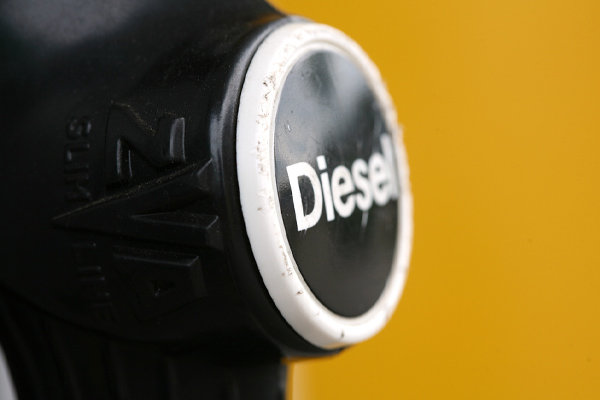
Imagine a chilly winter night on Cape Cod and suddenly realizing your heating oil tank is empty. The house is getting colder by the minute, and the wind outside is only making things worse. What should you do next?
Winter Storms Won’t Wait, Neither Should You: Protect your home with Tasha Fuels & Propane’s reliable heating oil delivery service. Call now!
Taking a Closer Look: Understanding Your Home Heating Oil Tank
Before assuming you have completely run out of heating oil, it is important to confirm the level in your tank. Because diesel fuel is typically taxed differently and can cost more than heating oil, you want to be certain you truly need a temporary alternative before making that decision. The first step is carefully checking your oil tank.
Most homes on Cape Cod and throughout Southeastern Massachusetts use a float style gauge to measure heating oil levels. This gauge sits on top of the tank and rises and falls with the oil inside. To check if it is working properly, remove the protective cover and gently press the gauge down. If there is oil in the tank, the gauge should float back up. If it stays down and does not move, that is a strong indication the tank is empty.
Another way to manually check your tank is by carefully inserting a clean yardstick into the fill pipe to measure the oil level. Keep in mind that tank sizes vary, so the amount remaining will look different depending on your system. As a general rule, it is best to schedule a delivery when your tank reaches one quarter to one third full. This helps you avoid emergency situations during peak winter weather.
If you confirm that your tank is empty, adding a small amount of on road diesel can serve as a short term solution until a proper heating oil delivery can be made. If there is still some oil in the tank, allow any stirred up sediment to settle before attempting to restart your burner. In some cases, the system may need to be bled to remove trapped air before it will run properly again. Because this process can be complex, it is often safest to contact a trained service technician for assistance.
The Risks of Letting Your Heating Oil Tank Run Too Low
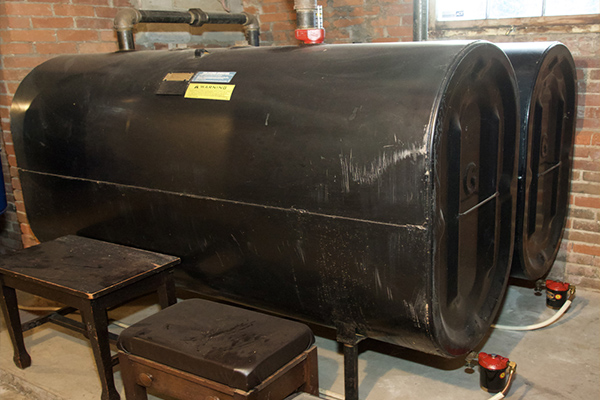
Running low on heating oil can lead to more than just an uncomfortable, chilly home. When oil levels drop too far, your heating system can shut down unexpectedly, often faster than homeowners realize. During a Cape Cod cold snap, that kind of disruption can quickly become a serious problem.
One common issue is sediment buildup at the bottom of the tank. Over time, dirt and debris naturally settle there, especially in tanks that have not been regularly maintained. When oil levels get very low, this sediment can be pulled into the fuel line, clogging filters and causing the burner to malfunction or stop working altogether.
Many heating oil tanks are also designed with feed lines that draw fuel from the top of the tank and extend downward. If that line does not reach the very bottom, your system may stop receiving fuel even though the tank gauge does not read completely empty. This can create confusion and leave you without heat when you least expect it.
To avoid these issues, it is always best to schedule a heating oil delivery before your tank drops below one-quarter full. Proactive fuel management helps protect your system, reduces the risk of costly repairs, and keeps your home safe and comfortable throughout the winter.
Peace of Mind Starts With a Full Tank: Trust Tasha Fuels & Propane for prompt, professional heating oil deliveries that keep your home comfortable. Call now!
Using Diesel as a Temporary Heating Solution: Safety First

If you have confirmed that your heating oil tank is very low or completely empty, diesel fuel may be used as a short-term solution to restore heat. However, diesel should only be viewed as a temporary measure until a proper heating oil delivery can be made. There are important differences between diesel and traditional heating oil that homeowners should understand.
One key factor is cost. Because diesel is taxed differently, it is typically more expensive than home heating oil. In addition, diesel can burn slightly hotter than standard heating oil. While this may not seem like a concern at first, heating systems are designed to operate with specific fuel types. Extended use of diesel may place unnecessary strain on equipment that is not intended for long term diesel combustion.
If diesel must be used, limit it to small amounts, generally 5 to 10 gallons at a time, and only for a brief period. Your usage should match the expected timeframe until your scheduled heating oil delivery arrives. For most homes, daily consumption should not exceed about 10 gallons under normal winter conditions.
Proper storage is also critical. Diesel should be kept in approved yellow fuel containers and clearly labeled. Although diesel can be stored for several months, its quality gradually declines. Fuel stabilizing additives can help, but they are not a permanent solution.
If you have leftover diesel at the end of the heating season, be sure to follow local Cape Cod and Southeastern Massachusetts disposal guidelines. Many towns offer recycling or hazardous waste collection programs to ensure safe and responsible disposal.
How to Safely Add Diesel to Your Home Heating Oil Tank
If you have secured diesel fuel in properly labeled yellow containers and need a temporary solution, follow these steps carefully to protect your heating system.
1. Turn Off Your Heating System: Before adding any fuel, power down the entire system. Lower the thermostat and switch off the burner to ensure the system is not running while you add diesel.
2. Add the Diesel Fuel: Carefully pour the appropriate amount of on road diesel into your heating oil fill pipe. If there is still a small amount of heating oil left in the tank, mixing with diesel can actually help. A tank that was not completely empty is less likely to require priming or bleeding to remove trapped air. If your system ran fully dry, additional service steps such as bleeding the fuel line or checking filters, the nozzle, and the pump may be necessary.
3. Let the Fuel Settle: After adding the diesel, wait about 10 minutes before restarting the system. This allows any sediment or impurities in the tank to settle to the bottom, reducing the chance of clogs.
4. Restart the System: Turn your heating system back on and monitor it closely. Your home should begin warming up as the system runs on diesel temporarily. Remember, this is only a short term solution. Schedule a heating oil delivery with Tasha Fuels & Propane as soon as possible to return your system to its intended fuel source and ensure reliable performance for the rest of the winter.
When Temperatures Drop, We Step Up: Count on Tasha Fuels & Propane for fast, dependable heating oil delivery when you need it most. Call now!
Call Tasha Fuels & Propane for Dependable Heating Oil Delivery
Tasha Fuels & Propane delivers reliable, high-quality heating oil to homes and businesses across the Upper Cape and Southern Massachusetts. Our team focuses on timely, efficient service so your property stays warm without delays or complications. We emphasize transparent pricing, consistent communication, and attentive customer care centered on your comfort.
Beyond fuel delivery, Tasha Fuels & Propane provides comprehensive HVAC services so that you can manage all your home comfort needs through a single trusted provider.
When you choose Tasha Fuels & Propane, you work with a company recognized for dependability, professionalism, and responsive service. Customers throughout the region continue to count on us year after year for safe, efficient, and stress-free heating solutions. Call now to get started.
You can click here to contact us now or call us at (508) 457-6595 to find out more! Click the link to view our service area.

Related Articles: